


 Blog
BlogThe Hidden Mechanical Stresses of Autumn: Why the Weather Transition is the Ideal Time for AC Installation
The Hidden Stresses of Autumn Weather on Aging HVAC Systems
Your furnace is struggling to start up on a chilly morning, yet by mid-afternoon, the house feels sweltering and the air conditioner is running nonstop. Managing indoor comfort when temperatures fluctuate wildly between hot afternoons and cold evenings places immense strain on aging equipment. When you face these unpredictable shifts, relying on local service expertise and area tips can help you determine the best path forward. The core decision point for many homeowners during this seasonal transition is knowing exactly when to invest in a new AC installation rather than continuing to patch up a failing unit before winter arrives.
As we move deeper into mid-fall and October, our team at Top Shelf Heating and Air frequently sees older air conditioning systems struggle to handle rapid operational shifts after a grueling summer season. Evaluating the mechanical realities of your equipment now is the smartest way to prevent an unexpected breakdown. To explore your options, you can learn more about our comprehensive air conditioning services or see if it is time for a complete AC system replacement.
The Mechanical Toll of Rapid Cycling Between Cooling and Heating
The underlying problem: The physics of rapid cycling—switching from air conditioning to heating within the same 24-hour period—places intense mechanical stress on blower motors, electrical relays, and heat exchangers. When an HVAC system is forced to alternate between pushing heavy, cold air and warm air, the internal components experience continuous thermal expansion and contraction.
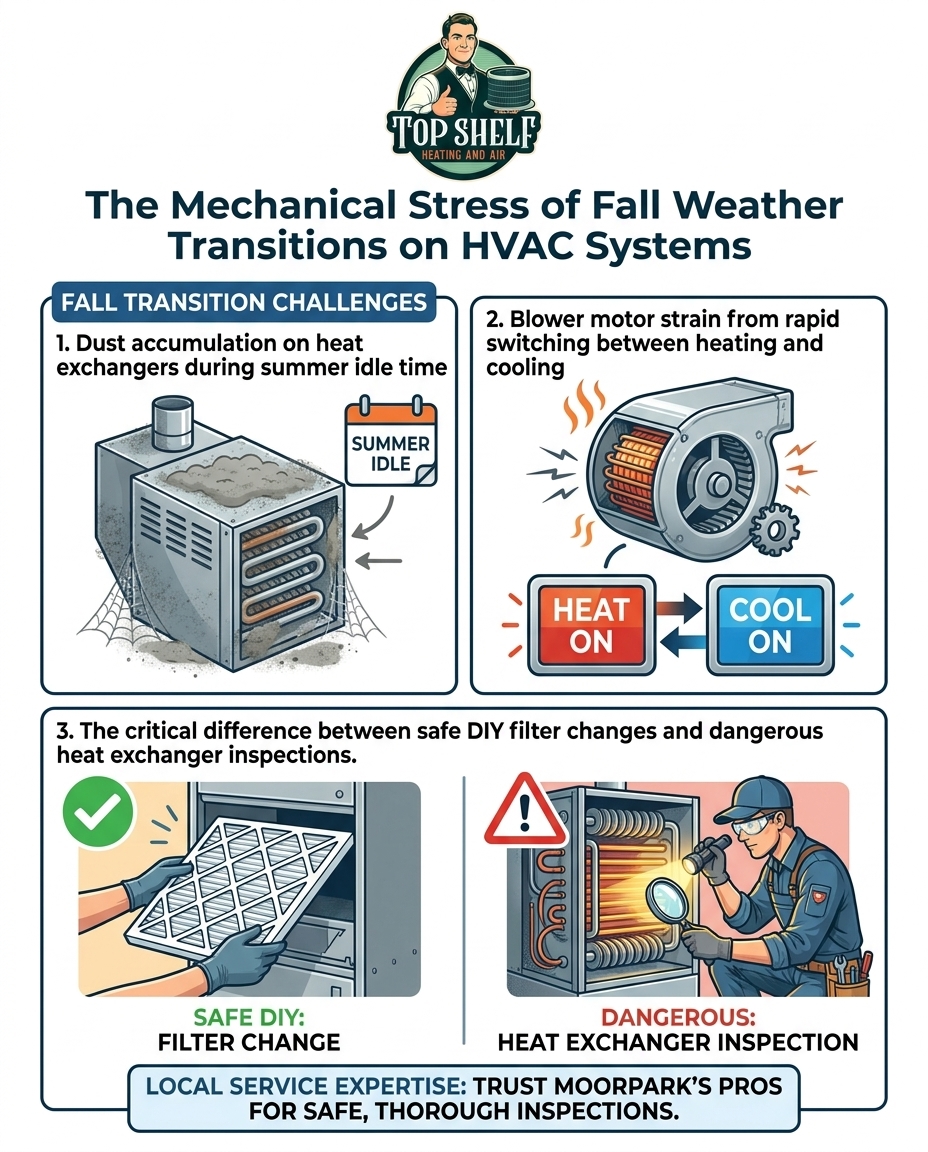
The root cause: Throughout the long summer months, the heating side of your system sits completely dormant. This extended idle time allows dust, debris, and particulate matter to settle thickly over the heat exchanger and burners. When the thermostat suddenly calls for heat during a chilly mid-fall October evening, these components are forced into action without any preparation, creating friction, inefficiency, and mechanical resistance. Conversely, the cooling components, already fatigued from months of continuous operation, are suddenly subjected to abrupt stop-and-start cycles as the ambient temperature swings.
The professional solution: Recognizing these mechanical realities is the first step in preventing premature breakdowns. Addressing the wear and tear caused by rapid thermal shifts requires proactive intervention, ensuring that both the heating and cooling elements are calibrated to handle the sudden demands of autumn weather transitions.
The Impact of Idle Time on Internal Components
When heating components sit unused for half the year, they do not remain pristine. Dust and household debris inevitably settle on the heat exchangers and burner assemblies. As the system is suddenly forced to ignite and operate, this buildup acts as an insulator, forcing the furnace to burn hotter and work harder to achieve the desired indoor temperature. This added friction and inefficiency not only consume more energy but also increase the likelihood of component failure during the critical first weeks of operation.
Why Sudden Heat Spikes Stress Aging Motors
Blower motors bear the brunt of rapid cycling. Tasked with pushing dense, cold air during an unexpected autumn heat wave immediately after circulating warm air the night before, aging motors can quickly overheat. The electrical draw required to constantly start and stop the motor under varying load conditions degrades the internal windings over time, significantly increasing the risk of a total motor failure precisely when you need reliable climate control the most.
Recognizing When Summer Wear Requires a Complete AC Installation
After a relentless summer, it is vital to differentiate between normal end-of-season fatigue and catastrophic component failure. Aging systems will naturally lose some efficiency, but irreversible damage requires immediate attention. Evaluating the entire health of a 20-year-old HVAC system during the fall transition can prevent a mid-winter emergency, allowing you to make calculated decisions without the pressure of extreme weather.
Our technicians recently worked with a Moorpark homeowner who faced this exact dilemma over the summer when their 20-year-old HVAC system required constant attention. Rather than continuing with patchwork fixes, they opted for a complete professional replacement. The outcome was immediate: the new equipment operated significantly quieter and delivered exceptional performance, proving that a clean start is often the most reliable path forward. Taking advantage of the shoulder season to schedule a professional AC installation in Moorpark offers distinct logistical benefits, including more flexible scheduling and ample time to properly calibrate the system.
Identifying Irreversible Summer Damage
1. Persistent unusual noises: Grinding from the compressor or loud electrical buzzing usually indicates that internal components have reached their end-of-life status.
2. Frequent short-cycling: If the unit turns on and off constantly without reaching the set temperature, the compressor is likely failing.
3. Severe refrigerant leaks: Systems requiring continuous refrigerant top-offs are suffering from structural compromises that cannot be permanently sealed.
4. Unresponsive electrical relays: When the thermostat clicks but the unit fails to engage reliably, the internal electrical framework is compromised.
Ignoring these specific symptoms inevitably leads to complete system failure, often on the hottest or coldest day of the year when the equipment is under maximum load.
The Limits of Patchwork Repairs
Continuously repairing an obsolete unit yields diminishing returns. While a quick fix might restore comfort for a few weeks, the underlying mechanical degradation remains. A full system upgrade eliminates the anxiety of impending breakdowns, offering long-term reliability and vastly improved energy efficiency over temporary, reactive fixes.
How Proper System Sizing Protects Against Unpredictable Heat Spikes
Accurate system sizing is the foundation of effective climate control. A Manual J load calculation is the industry standard for determining the exact heating and cooling capacity a specific home requires. This calculation takes into account square footage, insulation quality, window placement, and local climate data. Bigger is not always better; an improperly sized unit will struggle to maintain comfort and will fail prematurely.
With Southern California's notoriously hot, dry summers and unexpected autumn heat waves, a properly sized AC unit is critical for efficient cooling during peak events. When a system is mismatched to the home, the mechanical consequences are severe and unavoidable.
The Dangers of Oversized Units
An oversized air conditioner cools the air too quickly and shuts off before it has a chance to circulate the air over the evaporator coil long enough to remove humidity. This phenomenon, known as short-cycling, leaves the home feeling cold but uncomfortably clammy. Furthermore, the constant starting and stopping accelerates wear and tear on the compressor, drastically reducing the lifespan of the equipment.
Matching Capacity to Local Climate Realities
An undersized unit presents the opposite problem: it runs constantly in a futile attempt to reach the thermostat setting. This drives up energy usage astronomically without ever achieving true comfort. Proper sizing dictates the exact cooling load required for your home in Moorpark, ensuring the system can handle intense heat spikes seamlessly without overworking the internal motors.
• Oversized System — Operational Impact: Short-cycles rapidly; poor humidity removal. — Long-Term Consequence: Premature compressor failure; clammy indoor air.
• Undersized System — Operational Impact: Runs continuously without reaching set temperature. — Long-Term Consequence: High energy bills; overheated blower motors.
• Properly Sized (Manual J) — Operational Impact: Runs in steady, efficient cycles. — Long-Term Consequence: Maximum lifespan; consistent, comfortable humidity levels.
The Connection Between New Equipment and Improved Indoor Air Quality
The underlying problem: When a heater is turned on for the first time in mid-fall or October, homeowners frequently notice a distinct "burning" smell permeating the house. Simultaneously, Southern California's dry autumn winds increase airborne dust and particulates outside, which can easily infiltrate a compromised duct system.
The root cause: The burning dust phenomenon occurs because the heat exchanger and burners have accumulated layers of household dust, pet dander, and microscopic debris during their months of summer inactivity. When the furnace ignites, this debris literally burns off, sending contaminated, foul-smelling air through the vents. If the system has failing seals or an outdated filtration setup, dry autumn winds will only exacerbate the degradation of your indoor air quality.
The professional solution: Modern installations integrate advanced filtration and sealed ductwork to protect the home's breathable air. Starting the winter season with a clean, uncontaminated system provides profound health and comfort benefits, eliminating the seasonal hazards of burning dust and airborne allergens.
Eliminating the Burning Dust Phenomenon
The chemical and physical reality of the burning smell is straightforward: organic matter is being incinerated on the heat exchanger. While this usually dissipates after a few hours, it introduces unnecessary pollutants into the home. A new, clean heat exchanger installed during a full system replacement eliminates this specific seasonal hazard entirely, ensuring that the first wave of heat is clean and odor-free.
Integrating Advanced Filtration During Installation
A full system replacement presents the perfect opportunity to upgrade to high-efficiency media filters and whole-home air purifiers. These advanced additions are designed to capture the fine particulates and allergens common during dry, windy seasons. Tight seals and robust filtration are critical defensive measures before sealing up the home for the long winter months.
Safe Homeowner Preparation Versus Mandatory Professional Intervention
Preparing a home for the seasonal transition involves a mix of basic upkeep and complex mechanical evaluations. It is vital to clearly delineate safe homeowner preparation from dangerous tasks that require a licensed professional. Attempting DIY repairs on advanced HVAC equipment can lead to severe safety hazards, including electrical fires or carbon monoxide leaks.
At Top Shelf Heating and Air, our commitment to transparent processes means our crew takes the time to explain exactly why premium, expert pre-season inspections actively prevent premature breakdowns, rather than just listing generic services. When one of our licensed technicians performs an AC tune-up, they are thoroughly evaluating the safety mechanisms that protect your home during the mid-fall October transition.
Approved Filter Replacements and Vent Clearing
Homeowners can safely handle basic airflow maintenance. This includes:
• Changing air filters: Select the correct MERV rating for your specific system to ensure proper filtration without restricting airflow.
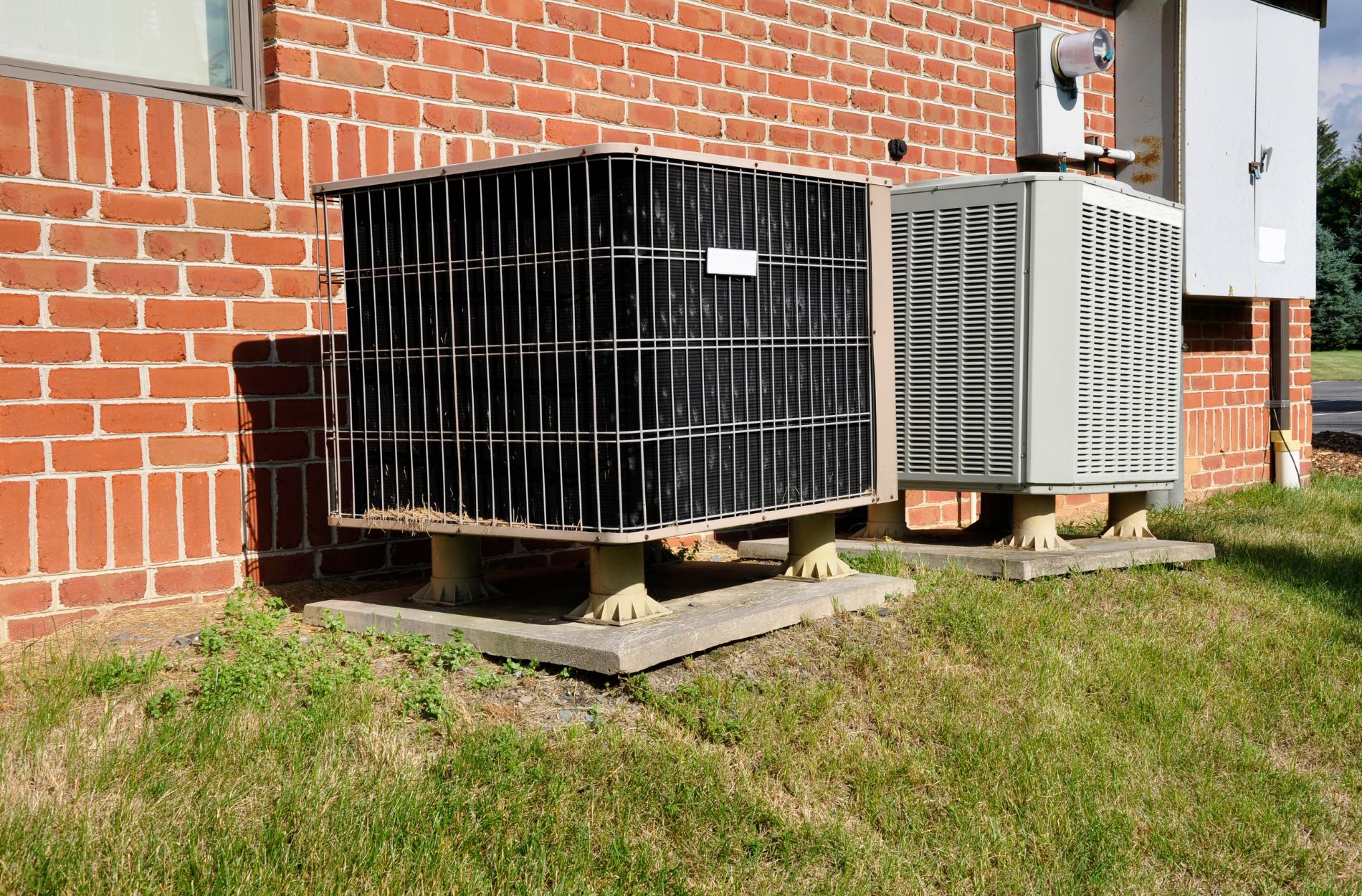
• Clearing outdoor debris: Gently remove leaves, twigs, and dirt from around the exterior condenser unit to allow the system to breathe.
• Unblocking vents: Ensure that all return and supply registers inside the home are fully open and unobstructed by furniture or rugs.
Why Heat Exchanger Inspections Are Strictly Off-Limits
Tasks involving high voltage, refrigerants, or combustion chambers are strictly off-limits for DIY attempts. The heat exchanger, in particular, requires absolute precision to inspect. Microscopic cracks in the metal can allow deadly carbon monoxide to escape into the home's airstream. Detecting these hairline fractures requires specialized diagnostic tools and professional training. Amateur tampering with gas lines or combustion components introduces severe, life-threatening safety risks.
Maximizing Efficiency When Upgrading Your Cooling Capabilities
Upgrading to modern, high-efficiency equipment offers long-term financial and operational benefits that far outweigh the temporary relief of a patchwork repair. Modern systems utilize variable-speed technology, which allows the compressor to adjust its output in tiny increments rather than running at full blast or shutting off completely. This dramatically reduces energy consumption and maintains a highly consistent indoor temperature.
For example, our installation team recently helped a local homeowner transition to central cooling by installing a professional Daikin FIT AC system. The clean, professional integration we provided resulted in an exceptionally quiet system that perfectly met their cooling needs, demonstrating the value of matching high-tier equipment with precise installation practices in Moorpark. A proactive upgrade protects the home's value and ensures uninterrupted comfort through every season.
Understanding Modern SEER2 Ratings
The updated SEER2 (Seasonal Energy Efficiency Ratio 2) ratings represent the new standard for measuring air conditioning efficiency under real-world conditions. A modern high-efficiency model draws significantly less energy to produce the same amount of cooling compared to a 15-year-old unit. Understanding these ratings helps homeowners calculate the reduction in daily operational costs, proving that high-efficiency units pay dividends over their operational lifespan.
Leveraging Available Incentive Programs
Homeowners can often offset initial installation investments by researching options for finding HVAC rebates and energy incentives. Many utility providers and federal tax credit programs offer incentives for qualifying high-efficiency heat pump and AC installations. Because these programs change frequently, it is always recommended to consult with your utility provider or a tax professional to verify current program eligibility and application requirements.
Frequently Asked Questions About Fall HVAC Transitions
Why does my heater smell like burning dust when I turn it on?
The short answer is that dust and debris settle on the heat exchanger during the summer months when the heater is not in use. When the furnace ignites for the first time in the fall, this accumulated debris burns off, creating a distinct odor. While this smell typically dissipates after a few hours of operation, excessive or lingering odors should be inspected by a professional to rule out deeper mechanical issues.
What HVAC maintenance requires a licensed professional?
Any task involving high-voltage electrical components, refrigerant handling, or the combustion chamber must be handled by a licensed professional. This includes inspecting the heat exchanger for microscopic cracks, testing safety limit switches, calibrating gas pressure, and measuring refrigerant charge. Attempting these tasks without proper training poses severe safety risks, including electrical fires and carbon monoxide exposure.
How do I prepare my HVAC system for Southern California fall weather?
Start by replacing your indoor air filters and ensuring all vents are clear of obstructions to promote healthy airflow. Next, clear any dry leaves or debris from around your outdoor condenser unit. Most importantly, schedule a professional pre-season inspection to ensure the system can safely handle the rapid switching between cooling and heating modes common during unpredictable autumn weather.
When should I turn on my heater in Southern California?
There is no single date; it depends entirely on your indoor comfort levels as the evening temperatures begin to drop in mid-fall. However, it is highly recommended to perform a test run of your heating system on a mild day before the actual cold weather hits. This allows you to identify any startup failures or unusual noises while there is still time to schedule professional maintenance without an emergency fee.
Why is my heater blowing cold air at startup?
If you notice cold air initially, that usually means the blower motor has engaged before the heat exchanger has fully warmed up, pushing the residual cold air out of the ductwork. If the air remains cold after several minutes, it indicates a mechanical failure, such as a faulty ignitor, a broken flame sensor, or an issue with the gas supply, requiring immediate professional diagnostics.
Securing Reliable Year-Round Comfort with Expert Guidance
Navigating the mechanical stresses of the mid-fall and October transition requires proactive, professional oversight. Waiting until a system completely fails during a sudden temperature shift leaves you vulnerable to emergency service delays and uncomfortable indoor conditions. By addressing aging equipment now, you ensure that your home remains safe, efficient, and comfortable regardless of the weather outside.
Investing in a proper installation now prevents emergency winter breakdowns and provides long-term peace of mind. Before the cold weather sets in permanently, take the time to explore your AC system replacement options with a trusted local expert.
Customer Testimonials


Blogs